
Use code USA2026 for up to $1000 OFF select products
Skip to content

Outdoor Gas Fireplaces

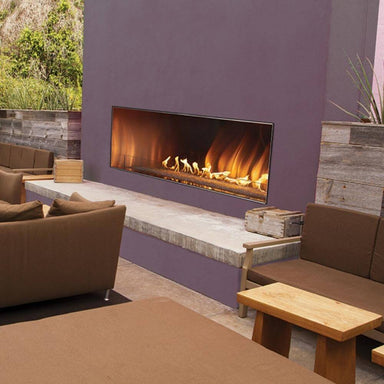
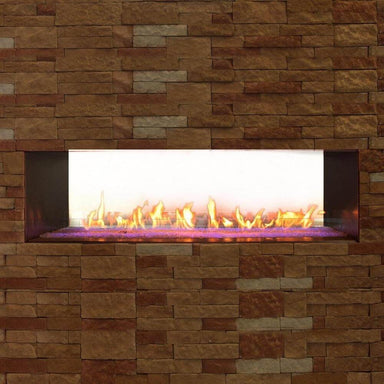
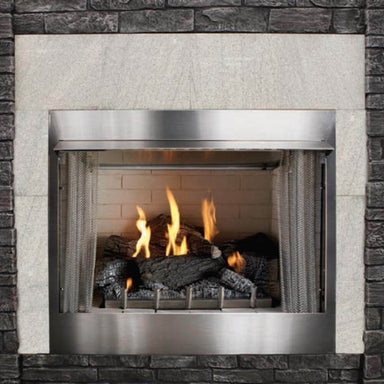
Bring warmth and style to your outdoor living space with our Outdoor Gas Fireplaces collection. Built for durability and performance, these fireplaces provide powerful heat and beautiful flames for patios, covered decks, and backyard gatherings.

Perfect for entertaining or relaxing under the open sky, outdoor gas fireplaces combine convenience, comfort, and lasting design at Electric Fireplaces USA.

Frequently Asked Questions

  • Outdoor gas fireplaces do produce real heat since they use a real flame, but how much warmth you feel depends on the size of the unit and its BTU output. However, because heat dissipates quickly in open outdoor spaces, outdoor fireplaces should primarily be considered for aesthetics and atmosphere rather than as a primary heat source. They are best thought of as a way to take the chill off and extend the usability of your outdoor space into cooler seasons.

  • You should never install an indoor gas fireplace outdoors. Outdoor fireplaces are constructed of stainless steel and tested to withstand outdoor conditions, whereas indoor models would rust, experience frequent outages, and could eventually become a fire hazard. Additionally, an indoor unit installed outdoors would lack the proper outdoor listing, meaning any resulting damage would not be covered by your homeowner's insurance.

  • Most outdoor gas fireplaces are vent-free, since the open-air environment provides all the fresh air needed for safe combustion — similar to how a propane grill requires no exhaust system. However, venting requirements can vary by model and by local municipal or state regulations, so you should always check your owner's manual and local building codes before purchasing and installing a unit.

  • No, it is not safe to burn wood in a gas fireplace. Gas burners are not rated for the higher temperatures produced by wood flames, and wood ash can clog the burner or cause other damage. The weight of real wood logs can also physically damage the gas burner components, so you should only use the fuel type the appliance was specifically designed and rated for.

  • A permit is typically required for installing a gas fireplace, as local building codes mandate compliance with clearance, venting, and safety rules. For the actual gas line connection, you should contact a licensed plumber or certified gas professional to perform the installation. It's also smart to check for underground utilities before digging and to verify any local ordinances that govern outdoor fireplace placement and use.