
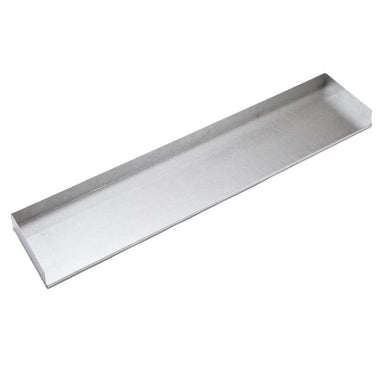
SimpliFire Optional Drain Pan for SimpliFire Forum Protect your outdoor fireplace investment with the SimpliFire Optional Drain Pan, designed to pr...
View full details
SimpliFire Optional Drain Pan for SimpliFire Forum Protect your outdoor fireplace investment with the SimpliFire Optional Drain Pan, designed to pr...
View full details
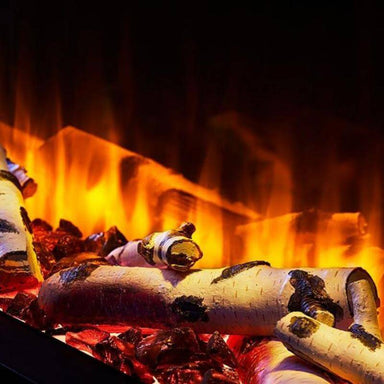
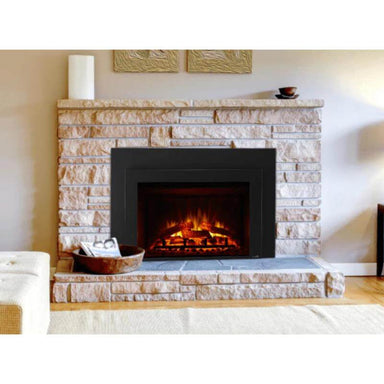
SimpliFire Scion Electric Fireplace Upgrade your living space with the SimpliFire Scion Built-In Electric Fireplace, designed to deliver the elegan...
View full details
SimpliFire Scion Trinity Electric Fireplace Transform your home with the SimpliFire Scion Trinity Built-In Electric Fireplace, a sleek blend of mod...
View full details
SimpliFire ShadowGlo High-Definition Log Set Transform your electric fireplace into a natural-looking centerpiece with the SimpliFire ShadowGlo Hig...
View full details
SimpliFire Surround For SimpliFire Fireplace Insert Give your SimpliFire Traditional Electric Fireplace Insert the flawless finish it deserves with...
View full details
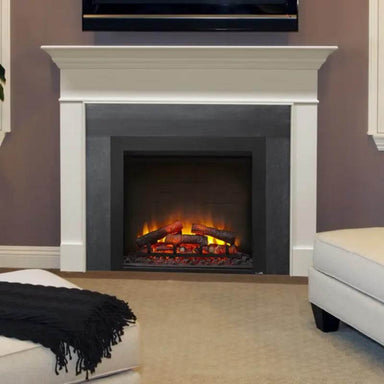
SimpliFire Traditional Built-In Fireplace Bring timeless charm and modern convenience into your home with the SimpliFire Traditional Built-In Elect...
View full details
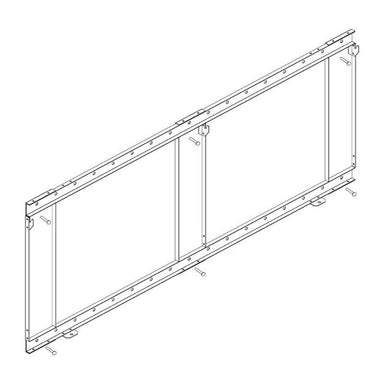
SimpliFire Wall Mount Kit for SimpliFire Allusion The SimpliFire Wall Mount Kit makes installing your Allusion Platinum Electric Fireplace easier a...
View full details
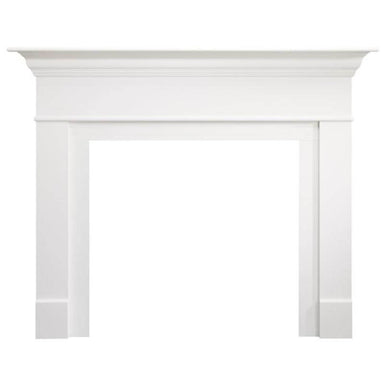
SimpliFire Wescott Mantel Kit Transform your Inception Electric Fireplace into a stunning centerpiece with the SimpliFire Wescott Mantel Kit. Desig...
View full detailsWood-burning fire pits offer a traditional experience with crackling flames and the ability to cook food over hardwood, but they produce smoke, ash, and sparks. Gas fire pits (propane or natural gas) are more convenient — they light instantly, produce no smoke or ash, and are easier to control — but they're designed for ambiance rather than cooking. Your choice comes down to whether you prioritize atmosphere and authenticity or ease of use and low maintenance.
Wood-burning fire pits are generally not recommended on decks, especially composite wood decks, because the intense and unpredictable heat can warp, melt, or darken the surface. Gas fire pits with lower BTU outputs are less regulated and may be used on decks, but you should still place a heat-protective mat or pad underneath as a barrier. Always check the manufacturer's guidelines and your local codes before placing any fire pit on a combustible surface.
You can cook over a wood-burning fire pit as long as you use hardwood, since other woods can be toxic — look for models with a grill rack or cooking grate attachment. Cooking over a gas fire pit, however, is not recommended: food grease can clog the burner holes, and the cooler yellow flames produce soot that can coat your food. If cooking is your goal, choose a wood-burning fire pit specifically designed with a grill.
Steel fire pits will eventually rust when exposed to the elements, but you can significantly slow this down by covering the fire pit with a weatherproof cover whenever it's not in use. Storing it in a dry location over winter and cleaning it after each use also helps extend its life considerably. If you want maximum rust resistance from the start, look for fire pits made from stainless steel, copper, or cast iron, which are naturally more resistant to corrosion.
Gas fire pit heat output is measured in BTUs per hour — generally, 50,000 BTU is roughly equivalent to a comfortable medium-sized campfire. More commonly, gas fire pits range from 50,000 to 125,000 BTUs, though some large kits can reach up to 400,000 BTUs. Keep in mind that how much warmth you actually feel depends on wind conditions and your proximity to the flame, since gas fire pits heat through direct flame rather than radiating heat from hot coals like a wood fire.