

Grand Canyon Split Oak Vent-Free Indoor Gas Log Bring timeless style and modern ease to your space with the Grand Canyon Split Oak Vent-Free Gas Lo...
View full detailsAdd warmth to your space with our Ventless Gas Fireplaces collection. Designed for flexibility and easy installation, these fireplaces operate without a chimney or external vent, delivering efficient heat and realistic flames wherever you need them.
Perfect for rooms where traditional venting isn’t an option, ventless gas fireplaces provide reliable performance, modern convenience, and inviting ambiance at Electric Fireplaces USA.
Grand Canyon Split Oak Vent-Free Indoor Gas Log Bring timeless style and modern ease to your space with the Grand Canyon Split Oak Vent-Free Gas Lo...
View full details
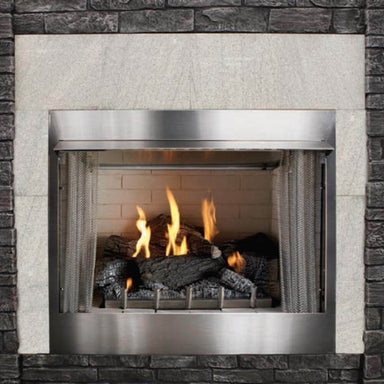
Grand Canyon Bedrock II Ventless Linear Drop-In Gas Burner w/ Remote Elevate your fire feature with the Grand Canyon Bedrock II Ventless Linear Bur...
View full details
Empire Carol Rose Premium Outdoor Vent Free Gas Fireplace Love the charm of a traditional fireplace but hate the mess and hassle of wood-burning? T...
View full detailsVentless gas fireplaces are generally considered safe when used correctly, but they do release small amounts of combustion byproducts — including carbon monoxide and water vapor — directly into the room. Modern units include a built-in Oxygen Depletion Sensor (ODS) that automatically shuts the fireplace off if oxygen levels drop too low. To stay safe, ensure good room airflow, avoid running the unit for extended periods, install a carbon monoxide detector nearby, and schedule regular professional maintenance.
Ventless gas fireplaces are significantly more affordable than vented models — typically ranging from $300 to $1,500, while vented direct-vent fireplaces can cost $3,500 to $8,000 or more including professional installation. The savings come largely from not needing a chimney, flue, or external venting system. However, you may still need to budget an additional $260 to $820 to have a gas line run to the fireplace if one isn't already in place.
No — while most U.S. states permit ventless gas fireplaces, several states and municipalities, including California and Massachusetts, have banned their indoor sale and installation over safety and air quality concerns. They are also not permitted in HUD housing. Before purchasing, you should always check with your local building authority to confirm legality, understand any required safety measures, and find out if a building permit is needed for installation.
The general guideline is that a ventless gas fireplace should run for no more than a few hours per day — many manufacturers recommend a maximum of around six hours. Running it longer risks depleting the room's oxygen levels and could allow carbon monoxide or moisture to build up to unsafe levels. It's also important to ensure the room remains well-ventilated during operation, such as by slightly opening a window.
Yes — you can convert an existing wood-burning fireplace by installing a ventless gas insert or a ventless gas log set, which are specifically designed to fit inside a masonry firebox. Because no external venting is required, you simply close the chimney damper to keep all the heat in the room, making it one of the most cost-effective ways to upgrade to gas. However, installation must be done by a licensed gas contractor to ensure it meets local building codes and operates safely.